

Seasoning cubes
You may love that seasoning cube so much that you keep adding more “just to bring out the taste.” But what if that same cube is quietly putting your kidneys at risk?
Health experts are now raising the alarm over the excessive use of seasoning cubes in Nigerian kitchens, a common habit that could silently damage the kidneys and increase the risk of high blood pressure.
Their concern follows a wave of viral videos showing people squeezing up to six or eight seasoning cubes into a single pot of stew or jollof rice. While the visuals might look tasty on TikTok, experts say the health consequences are far from appetising.
Speaking with Guardian Life, clinical dietitian Enoabasi Nta says most seasoning cubes are packed with high levels of sodium and artificial additives like monosodium glutamate (MSG), a combination that places unnecessary strain on the kidneys.
“Sodium is one of the biggest concerns,” Nta says, adding that excess intake raises blood pressure. “Over time, high blood pressure puts stress on the kidneys and can lead to permanent damage or even kidney failure.”
“This is especially risky in Nigeria, where hypertension is already one of the leading causes of kidney disease,” she continues. “And we’re beginning to see more cases of paediatric hypertension as well.”
Kidney damage
Also weighing in, Prof Aliyu Abdu, Professor of Medicine at Bayero University Kano and Consultant Nephrologist at Aminu Kano Teaching Hospital, explains that consuming excess sodium can negatively affect kidney function.
“Kidneys are responsible for regulating the sodium level in the body,” Prof Abdu says. “And when they are exposed to higher amounts, this means additional stress on normal kidney functions.”
When the kidneys are unable to excrete the excess amount of sodium, it leads to its retention in the body. “Excess amounts of sodium in the body lead to poor blood pressure control and fluid retention, causing body swelling,” Prof Abdu adds.
For already-weakened kidneys, that extra sodium can speed up damage, leading to full kidney failure. The effects include rising blood pressure, more fluid retention, and cardiovascular problems.
How much is too much?

In a joint health alert issued in March 2025, the World Health Organisation (WHO) reported that excess sodium intake is responsible for over 1.89 million deaths globally each year, many linked to heart and kidney-related diseases.
The WHO recommends no more than 2,000mg of sodium per day for adults, yet one seasoning cube alone can contain up to 1,000mg.
Similarly, the National Agency for Food and Drug Administration and Control (NAFDAC) has urged Nigerians to limit artificial flavour enhancers, noting a “spike in sodium-induced health cases in urban communities” in its January 2025 safety bulletin.
Clinical nutritionist Fiyinfoluwa Odukoya warns that relying too heavily on seasoning cubes could come at a long-term cost.
“MSG, for example, has been linked to a range of symptoms in sensitive individuals, including headaches, palpitations, and general discomfort,” Odukoya warns.
“In children especially, prolonged exposure to artificial additives may affect taste preference development, making them more inclined toward processed foods and increasing their risk of chronic diseases later in life.”
Natural ingredients to cook with instead of seasoning cubes
Flavour your food without compromising your health. These local staples offer depth, aroma, and the richness your dishes deserve, minus the sodium overload. Because good flavour shouldn’t come at the cost of your kidneys.
1. Crayfish
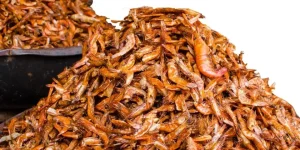
This Nigerian kitchen staple packs a rich, savoury punch. It delivers umami flavour to soups, stews, and sauces, no cube required.
2. Locust beans (Iru or DawaDawa)
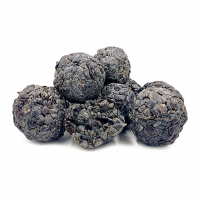
Fermented and packed with nutrients, iru adds a deep, earthy taste to native dishes like egusi, ogbono, and native rice.
3. Garlic
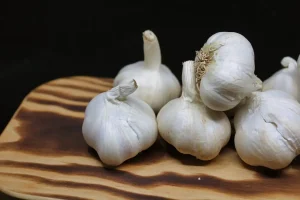
Whether crushed or chopped, garlic boosts the flavour of any dish — plus it supports heart health.
4. Ginger
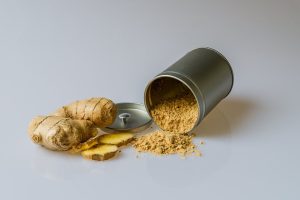
This slightly spicy root adds warmth to sauces, stews, and soups. It also helps with digestion and inflammation.
5. Onions
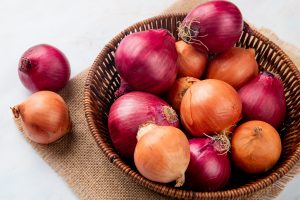
Caramelised or fried, onions build a sweet, savoury base that holds your dish together. They are essential for everything from jollof to beans.
6. Scent leaf (Efirin/Nchuanwu)
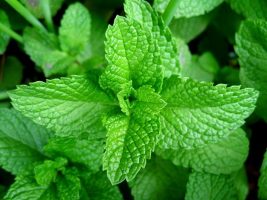
Fresh and aromatic, scent leaf adds depth to pepper soup, yam porridge, beans, and local sauces.
The Guardian

Comments are closed.